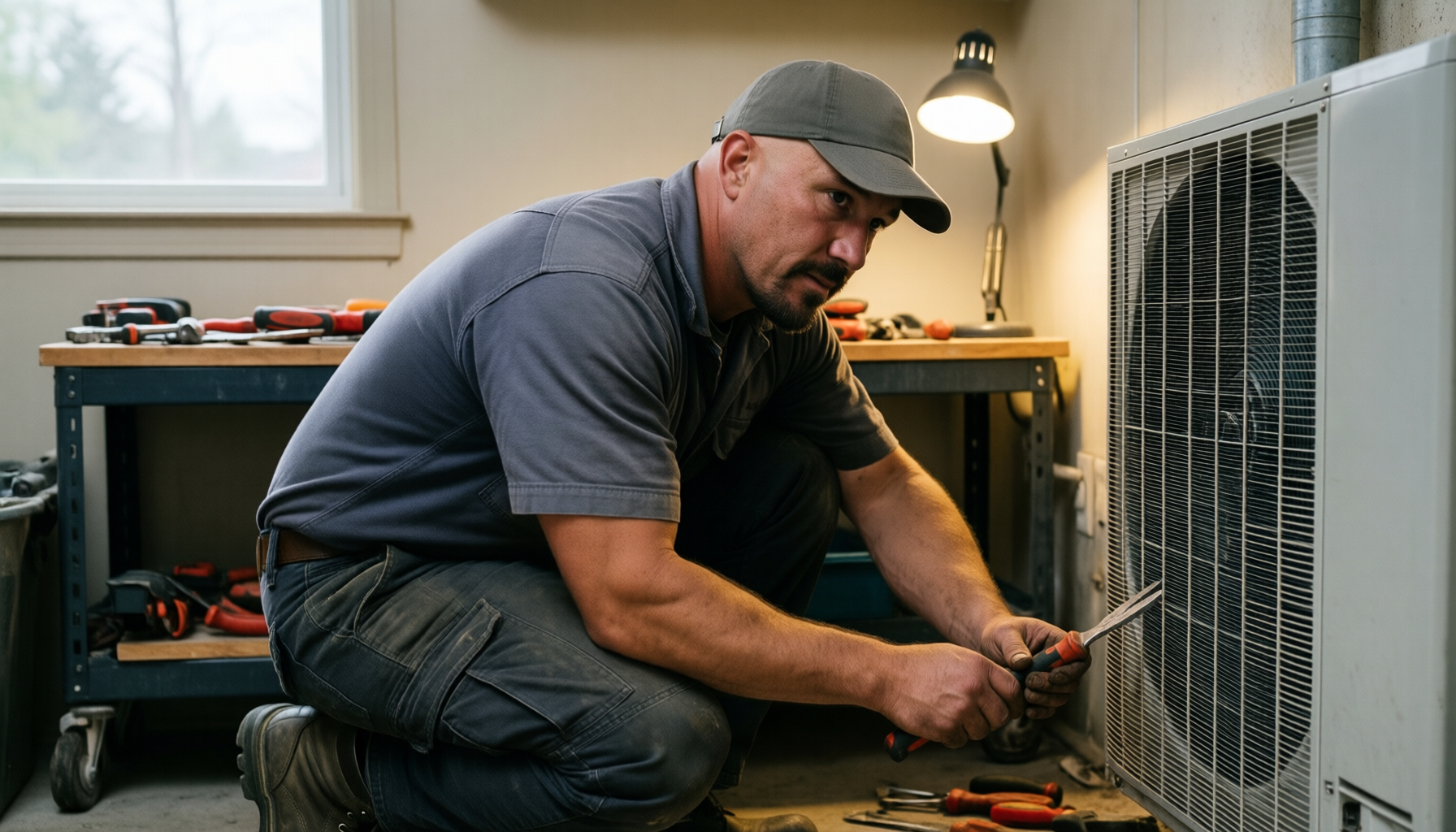
What Makes Denver's Climate Unique for HVAC Systems?
Published: 2026-06-12 · By PrairieTemp Heating and Cooling
Denver's climate can be both a friend and a foe, offering stunning snowy winter landscapes yet presenting unique challenges for homeowners. Think of those spring days when the sun shines bright, melting the heavy snow from the mountains, only to be interrupted by sudden hail storms. Having a dependable HVAC system isn't just a luxury in Denver—it's a necessity. The unique shifts in temperature demand an HVAC solution tailored to handle such rapid fluctuations. Whether it's keeping your home warm during the frigid winters or providing a cool respite during heated summer days, understanding Denver's climate is crucial for maintaining comfort and efficiency.
Why This Matters for Denver Homeowners
Understanding that Denver experiences rapid temperature swings is vital for homeowners. One day it could be 20 degrees, and the next, a balmy 70. This instability requires HVAC systems to continuously adapt, leading to increased wear and tear. Not to mention spring’s freeze-thaw cycles can exacerbate structural stress on your home’s foundation. Denver's homes, often built on expansive clay soils, demand special drainage considerations to manage melted snow and rain. Many homes struggle with the resultant shifting, making it vital for HVAC systems to be in top condition to withstand these dynamics.
Tip: Regular maintenance can help prevent HVAC malfunction during extreme weather.
If homeowners neglect these aspects, they may face higher energy bills or emergency repairs, especially during peak seasons when technicians are booked solid.
Expert Solutions & Actionable Tips
1. Invest in a Smart Thermostat
A smart thermostat can dramatically enhance your HVAC system’s efficiency. By learning your heating and cooling patterns, it can adjust temperatures to optimize energy use. Expect to invest between $100 and $250 for a good model. Integration with local weather forecasts ensures your home stays comfortable despite Denver’s unpredictable climate.
2. Seal and Insulate Your Ductwork
Many homes in Denver suffer from unsealed ductwork, leading to energy loss. A professional can seal the ducts, which typically costs between $300 and $500. This not only saves you money on heating and cooling bills but also allows for more effective temperature regulation, crucial in an area with high temperature variability.
3. Schedule Seasonal HVAC Check-Ups
Denver homeowners should consider annual HVAC check-ups before the radical temperature shifts hit. Costs for maintenance checks range from $75 to $150. Technicians can spot issues before they escalate, ensuring systems operate efficiently when the dramatic weather changes occur.
4. Consider Variable-Speed Systems
Variable-speed HVAC systems are ideal for adjusting to Denver's fluctuating temperatures. While installation costs can be higher initially—ranging from $5,000 to $15,000—the long-term savings on your energy bills can be substantial. These systems adjust airflow for optimized comfort, reducing wear on your unit.
5. Pay Attention to Air Quality
Denver’s high altitude means lower air quality may affect your HVAC system. Indoor air quality systems, often starting at $500, can help manage this issue by filtering allergens, dust, and pollutants. This is particularly beneficial in homes subjected to extreme weather fluctuations and the resultant infiltration of outdoor elements.
6. Proper Drainage Solutions
Due to the expansive clay soils prevalent in the Denver area, investing in proper drainage around your HVAC unit is essential. You may need to allocate $2,500-$5,000 for professional drainage solutions to prevent flooding during heavy snowmelt or rainfall, protecting your HVAC system from potential issues.
Denver Climate & Local Context
Denver's distinctive climate combines rapid temperature changes, snow, and summer sun, making it critical for HVAC systems to be adaptable. The city is known for heavy snowfall that quickly melts, causing potential water damage without proper drainage systems in place. Local building codes often emphasize the importance of installing HVAC systems that accommodate the region’s climate. This includes necessary permits for upgrades or replacements that not only comply with safety regulations but also enhance energy efficiency.
Homeowners should also consider the effects of high ultraviolet rays prevalent at Denver's altitude, which can fade indoor materials and impact HVAC unit longevity.
When to Call a Professional
While some simple HVAC tasks can be managed at home, knowing which scenarios require a professional is critical. DIY can save money but also lead to costly mistakes. Here are some red flags that indicate it’s time to call a professional:
- Frequent cycling on and off.
- Unusual sounds coming from the HVAC unit.
- Strange odors during operation.
- Inconsistent heating or cooling in various rooms.
- Recent hikes in energy bills without clear reasons.
- Age of the HVAC system exceeds 10 to 15 years.
- Visible corrosion or damage on the units.
In Denver's climate, where conditions can change in an instant, ensuring your HVAC system is functioning correctly is paramount to maintaining comfort.
Frequently Asked Questions
What is the best type of HVAC system for Denver's climate?
A variable-speed HVAC system is highly recommended due to its efficiency in handling Denver's rapid temperature fluctuations and providing consistent comfort.
How often should I maintain my HVAC system?
For Denver residents, seasonal check-ups in the spring and fall can help maximize efficiency and ensure your system can withstand extreme weather changes.
What are the signs of an HVAC emergency?
Signs of an HVAC emergency include unusual noises, foul smells, or failure to heat and cool adequately. Prompt attention is essential to prevent system failure in Denver's variable climate.
How can I improve my home's energy efficiency?
Improving energy efficiency often involves sealing ductwork, insulating your home, and considering a high-efficiency HVAC system designed for rapid temperature changes.
Is it worth investing in a smart thermostat?
Absolutely! A smart thermostat can reduce energy costs by up to 10% by adapting your heating and cooling patterns based on real-time temperature data in Denver.
Get Expert HVAC Service in Denver
Don't let Denver's unpredictable climate catch you off guard. At PrairieTemp Heating and Cooling, we're here to help ensure your HVAC system is prepared for the rapid temperature changes the Mile High City is known for.
For a consultation or to schedule maintenance, call (983) 213-7019. Count on us to keep your home comfortable all year round.